A fabric tablecloth is not automatically the best cover for every dining table. You need to compare absorbency, cleaning effort, heat tolerance, appearance, durability and fit before choosing between textile linen, coated covers, placemats, glass, laminated wood or a bare surface.
Key takeaways
- Choose textile linen for appearance, PVC for quick spill cleanup.
- Measure tabletop length and width before comparing cover sizes.
- Select washable fabrics that tolerate dust, heat and monsoon humidity.
- Calculate cost per use, including washing, drying and replacement.
How Table Linen Compares with Plastic, Glass and a Bare Table
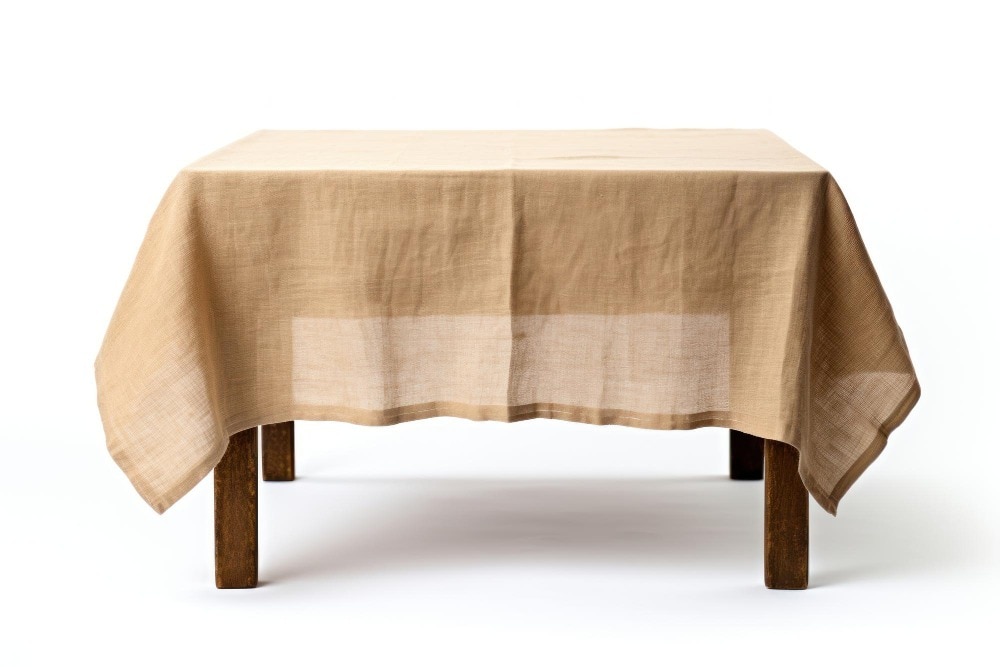
Choose the material by your cleaning routine: textile table linen looks softer and more formal, while a broader table cover may mean cloth, PVC, vinyl, oilcloth, plastic-coated fabric, nonwoven material or a disposable sheet. For buyers comparing table linen with table covers in nagpur, confirm the material instead of assuming “cover” means cotton or linen.
| Option | Main advantage | Main drawback |
|---|---|---|
| Cotton or blended cloth | Soft drape, reusable napkins and formal appearance | Absorbs spills, wrinkles and needs laundering |
| Plastic-coated fabric, PVC, vinyl or oilcloth | Wipes clean and resists liquid penetration | Can crack, curl or become sticky with age and heat |
| Glass | Protects the tabletop while keeping its surface visible | Shows fingerprints, feels hard and can make dining noisy |
| Laminated wood | Keeps a visible surface with less daily covering | Scratches or swells when damaged edges admit water |
| Placemats | Reduce washing and expose more of the tabletop | Leave uncovered areas vulnerable to spills |
| Bare table | No textile washing and the clearest surface | Offers no protection from stains, scratches or heat |
A full cloth protects more area; placemats suit quick daily cleanup. A wipe-clean surface is not automatically heat-proof: hot cookware can warp PVC, vinyl, laminate or coatings, so use trivets unless the supplier states a hot-vessel rating. Choose woven cloth for formal meals and coated covers for frequent spills, children or outdoor use.
Choosing the Right Format for Meals, Parties and Everyday Use
Choose the format by spill risk, presentation and how much of the tabletop needs protection.
| Format | Best use | Practical choice |
|---|---|---|
| Full tablecloth | Formal meals, festivals, celebrations and easily marked tables | Woven cotton, jacquard, damask-look or linen-rich fabric |
| Runner | Decorative centre placement, narrow tables or visible tabletops | Fabric runner with a washable finish |
| Placemats | Daily breakfast, children’s meals and quick replacement after one spill | Washable blend or wipe-clean coated surface |
| Individual napkin | Hand and mouth spills during any meal | Reusable fabric napkins; replace only the soiled piece |
| No cover | Durable, sealed tabletop and the lowest textile maintenance | Use the bare surface and wipe it after meals |
A full cloth protects the entire surface but creates more washing and drying work. A runner adds visual structure without hiding a wood, laminate or stone finish. Placemats suit children because one dirty place setting does not send the whole cover to the laundry, while wipe-clean blends help with outdoor meals and frequent spills.
For parties and formal dining, woven cotton, jacquard, damask-look and linen-rich fabrics provide better drape and occasion appeal. For everyday table linen options in Nagpur, compare washable blends and coated covers against disposable spun or nonwoven covers.
For recurring events, reusable cloth spreads its purchase cost across many uses but adds laundering, pressing and stain-treatment costs. Disposable covers save washing time yet create repeated purchases and waste; compare cost per use, not just the first price.
Which Fabric Handles Nagpur Heat, Dust, Monsoon and Washing?
Nagpur’s hot, dry summer makes fast-drying fabric useful, while monsoon humidity makes ventilation essential. Never fold a damp cloth into a cupboard: trapped moisture creates odour and mildew. Dust also increases the value of washable fabric or a wipe-clean surface.
| Option | Real-use strengths | Main drawbacks |
|---|---|---|
| Cotton | Absorbent, soft, breathable and naturally draped | Wrinkles, retains spills and can shrink |
| Linen | Cool hand, strong drape and high absorbency | Creases readily and needs careful washing |
| Polyester | Dries quickly, resists creasing and holds printed colour well | Feels less breathable; excessive ironing or direct heat can glaze it |
| Cotton-polyester blend | Balances comfort, durability, drying speed and easier maintenance | Gives less natural hand than pure cotton or linen |
| Coated textile | Fabric base with a wipe-clean surface layer | Coating can crack, curl or become sticky with age and heat |
| PVC-style or oilcloth | Plastic-like surface blocks liquid and dust | Less formal, poor breathability and vulnerable to hot cookware |
| Waterproof-backed fabric | Textile face with a water-resistant backing | The backing does not prove heat resistance and can peel or stiffen |
A table linen buying guide in Nagpur should separate fibre from finish: waterproofing does not guarantee stain resistance, and stain resistance does not guarantee colourfastness. A dark print can hide marks while still fading or transferring colour.
Choose woven cotton, linen-rich or blended fabric for formal meals; choose washable blends or coated covers for children, outdoor use and frequent spills. Dry every cover fully before storage.
How to Measure the Table and Compare Supplier Specifications
Measure the tabletop before choosing a cloth: finished length equals tabletop length plus twice the desired drop, and finished width equals tabletop width plus twice the drop. Allow 20–30 cm per side for everyday dining and about 30–45 cm for formal use. Floor-length cloths can catch feet, snag on chairs and create more cleaning work.
For a round table, measure the diameter and add twice the drop. For an oval table, record the longest and shortest tabletop measurements separately, then add twice the drop to each. Sit at the table before ordering and check lap and chair-arm clearance; an attractive drop is impractical if it brushes your knees.
| Quotation basis | What you receive | Cost to check |
|---|---|---|
| Finished piece | Sewn and hemmed cloth | Size after hemming, seams and finishing |
| Fabric by metre | Uncut material | Fabric width, pattern repeat, hemming and leftovers |
| Set | Coordinated covers, runners or napkins | Number of pieces and each finished size |
Ask a table cover fabric supplier in Nagpur for these details:
- Fibre composition, GSM or fabric weight, weave, opacity, fabric width and pattern repeat.
- Coating type, care method, expected shrinkage, pre-shrinking status and whether measurements are before or after hemming.
- Colourfastness information and stain-resistance treatment; neither proves the other.
- Seam quality, corner construction and edge finishing, such as a narrow hem, mitered corner or bound edge.
Palak Furnishing Nagpur can be compared with other suppliers when these specifications and the price basis are stated clearly, creating a like-for-like quotation rather than a colour-only comparison.
Related product
 | Table Linen Inviting table linen which includes table covers, runners, mats, napkins, etc., add such a charm and elegance to any room in which it is used that it... View product → |
Washing, Storing and Calculating the Real Cost per Use
Treat the sewn-in care label or supplier instruction as part of the specification. It determines whether you machine-wash or hand-wash, the ironing temperature, stain treatment and drying method.
| Option | Care approach | Main risk |
|---|---|---|
| Cotton-rich or linen | Wash as labelled; allow shrinkage; iron at the stated temperature; air-dry fully | Shrinkage, wrinkles and colour transfer |
| Polyester or blends | Use a moderate wash and low heat; avoid hot irons and direct sunlight during drying | Glazing, melting or print damage |
| Embroidered pieces | Hand-wash or use a protective laundry bag if permitted; press from the reverse | Snagged threads and flattened embroidery |
| Coated or waterproof-backed | Wipe with a soft cloth and mild detergent | Scrubbing, bleach or heat can damage laminate and waterproofing |
Blot food spills promptly, test stain remover on an unseen area, and never use chlorine bleach, aggressive scouring, high-temperature ironing or unapproved tumble-drying. Dry every cover completely before folding; store it in a breathable place during Nagpur’s monsoon.
A wipe-clean cover is not automatically heat-proof, so use a trivet unless the supplier gives a hot-vessel rating. This is essential in a table linen buying guide in nagpur.
Calculate reusable cost per use as (purchase price + laundering + pressing + stain treatment + repairs or replacement) divided by actual uses. For metre goods, add hemming, seams, pattern matching and leftover fabric.
Disposable covers avoid washing but add every purchase and disposal cost; choose them when reuse frequency is too low to recover those expenses.
Frequently asked questions
How does table linen compare with plastic, glass and a bare table?
Textile linen gives a softer, more formal appearance but needs washing. Plastic, PVC and vinyl covers clean quickly and protect against spills. Glass protects the tabletop while showing its surface, whereas a bare table requires no cover but offers less protection.
Which table-cover format suits meals, parties and everyday use?
Use washable textile linen for formal meals, wipe-clean PVC or vinyl for messy everyday dining, and disposable sheets for short events. Choose a fitted cover when movement is a problem and a drop-style cloth when appearance matters more.
Which table-cover fabric handles Nagpur heat, dust, monsoon and washing?
Choose tightly woven, colourfast fabric that can be machine-washed and dried completely. PVC and vinyl resist spills and dust but can feel warm and may crack or become sticky with age. Avoid fabrics that require delicate cleaning when frequent washing is part of your routine.
How should you measure a table for a cover?
Measure the tabletop length and width, then add twice the desired drop for a rectangular cover. For round tables, measure the diameter and add twice the drop. Check whether the supplier lists finished dimensions or fabric-cut dimensions.
How do you calculate the real cost per use of table linen?
Add the purchase price, stitching, detergent, water, drying and replacement costs, then divide by the number of uses. A higher-priced washable cloth can cost less per use than disposable covers when used regularly.
Keywords